
Preparing documents and evidence
These articles provide general awareness. Get qualified legal or health advice for your own circumstances.
Start with a chronology
Use columns for date, time, place, event, people present and the related document. Mark uncertain dates as estimates rather than presenting them as exact. Separate what you personally observed from what someone told you or what you believe. A short, accurate chronology is more useful than a large folder of unexplained accusations.
Organise and preserve originals
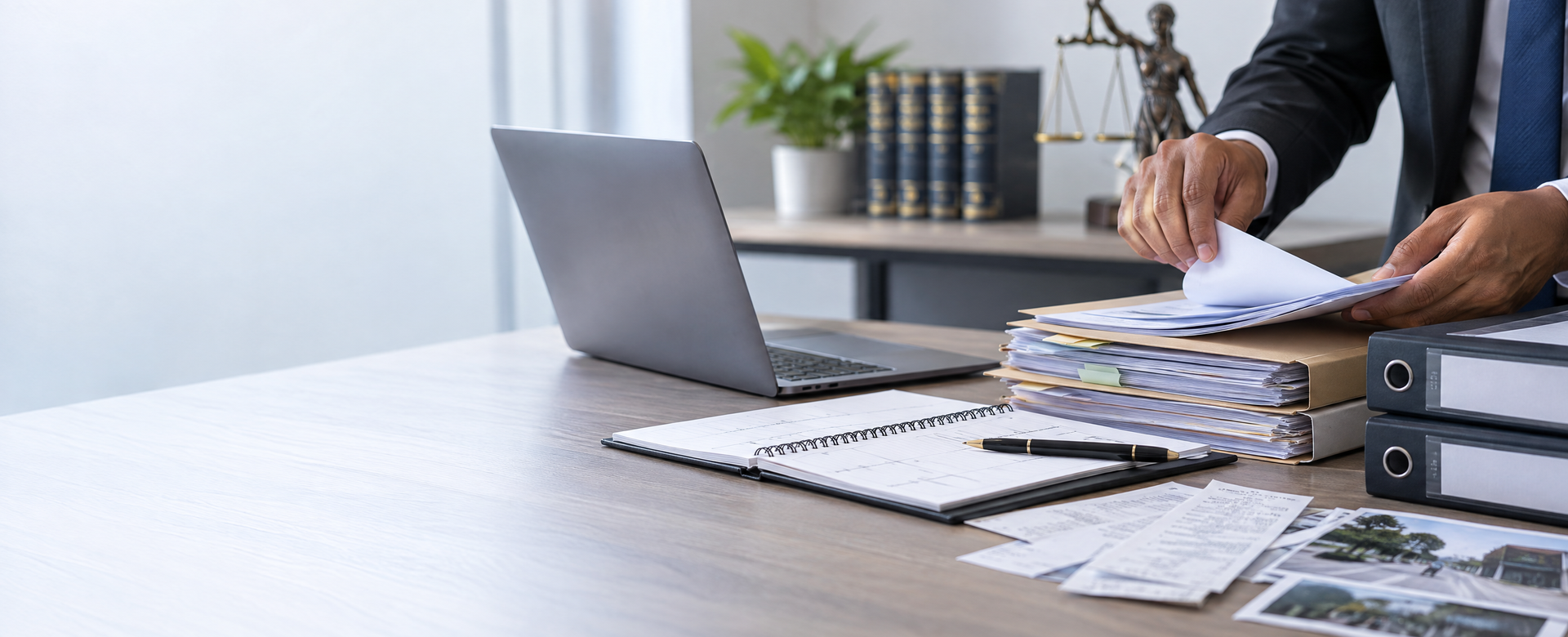
Group identity records, certificates, orders, financial records, school letters, medical documents and communications. Number copies and keep an index. Do not write over an original, remove pages or discard an envelope showing delivery information. Ask whether certified copies or translations are required. Back up the working copy securely and restrict access.
Digital evidence needs context
Preserve complete messages, account identifiers, timestamps and attachments where lawfully available. Retain the original device or file and note how the material was obtained. Editing or cropping can conceal context and raise authenticity questions. Do not enter another person’s account without permission, create fake records or delete relevant messages. Ask a lawyer about lawful collection and admissibility.
Track money clearly
For payments, record payer, recipient, date, purpose, amount, method and proof. Reconcile a spreadsheet against bank statements and receipts. Distinguish an estimate from a paid expense and a gift from a payment required by an order. Do not inflate figures or omit support already received; inconsistent records can undermine an otherwise genuine concern.
Protect people when sharing
Give relevant material privately to your adviser through an agreed secure channel. Redact unnecessary identity numbers in working copies, but preserve originals. Do not coach a child to write a statement or publish a child’s health records. Prepare a question list: what is relevant, what needs verification, who can authenticate it and what further lawful record is needed?
Practical next steps
Use a document index with a reference number, date, description, source and storage location. Keep a separate list of missing items and how they may be lawfully obtained. Preserve the original filename and creation details for digital material. Give your lawyer an organised copy, explain gaps honestly and ask before contacting a witness or requesting private records from another institution.